

From humble beginnings to a global brand: a brief history of IKEA
IKEA touches the hearts and homes of millions of people around the world. It all began in a small Swedish town in the 1940s with a young entrepreneur who hoped to create a better life for people everywhere.

Our roots
Ingvar Kamprad founded IKEA in 1943 at the age of 17, selling household goods like pens, wallets and picture frames. Småland, the landscape where Ingvar grew up, was stony and rugged.
Back then, many of the inhabitants had to get by
with small means, making as much as possible with next to nothing. Because of this, Smålanders are said to
be thrifty and innovative, with a “no-nonsense” approach to everyday problem solving. This heritage is one explanation to the IKEA way of doing things and to our success.
The IKEA Product Line Is Born
To reward him for his good performance in school, Ingvar’s father gave him a small sum of money, which he used to start a business. In 1948, he began selling furniture, marking the beginning of the IKEA product line as we know it today.

Low prices and high quality
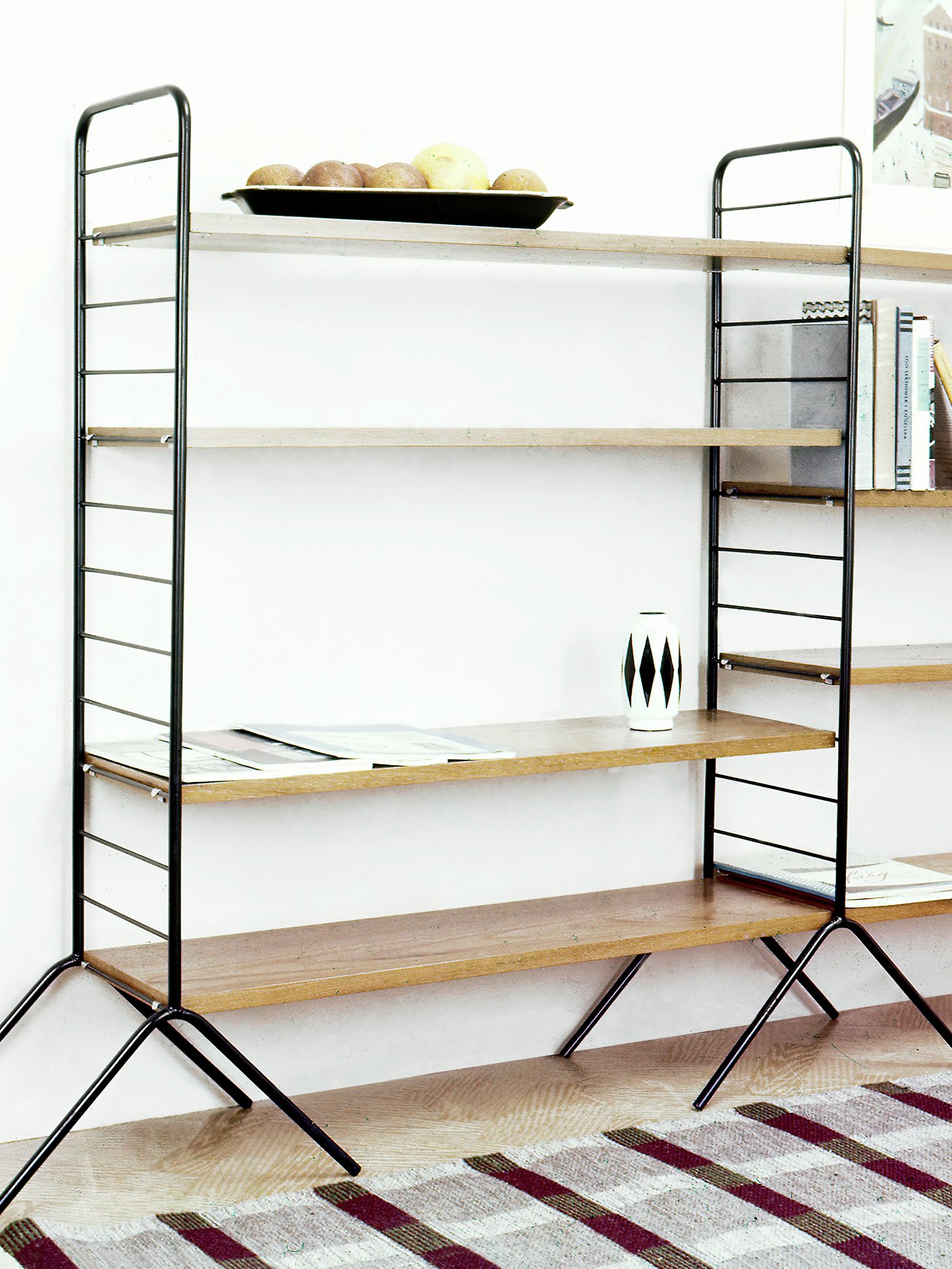
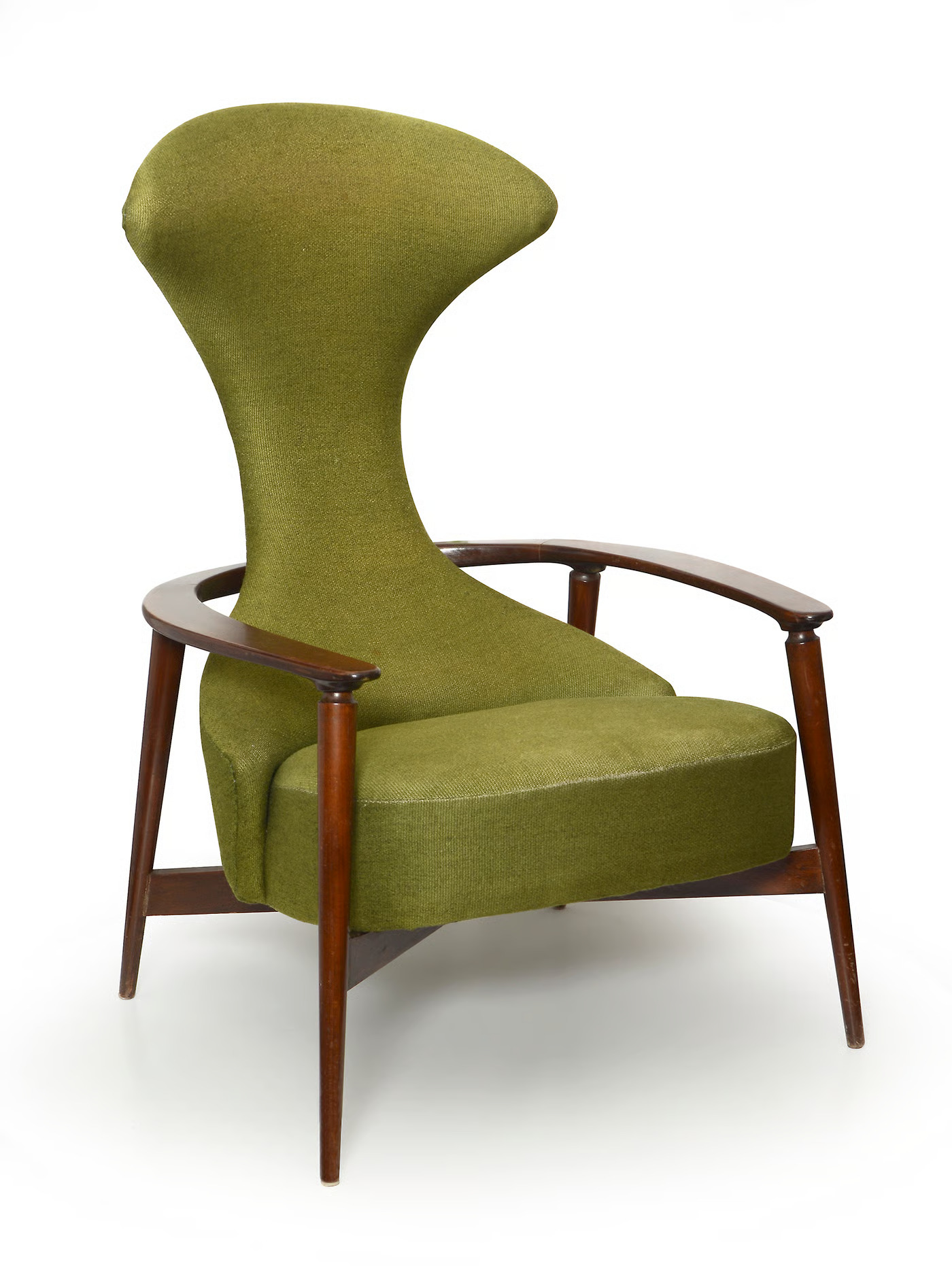
Ingvar Kamprad, founder of IKEA, was always determined to offer the best possible prices, but not at the expense of quality. He was aware that some of his competitors lied about quality to keep prices low, but he was not willing to do the same. In the 1948–1949 issue of the “ikéa-nytt” brochure, he explained why IKEA’s prices could remain so low. “Our low prices—by far the lowest in the region—are made possible by high sales volume, direct delivery from the factory, and very low overhead costs.” Ingvar’s original idea of offering low-priced, high-quality products remains very much alive today and has become the cornerstone of IKEA’s culture and identity.
The flat-pack revolution begins
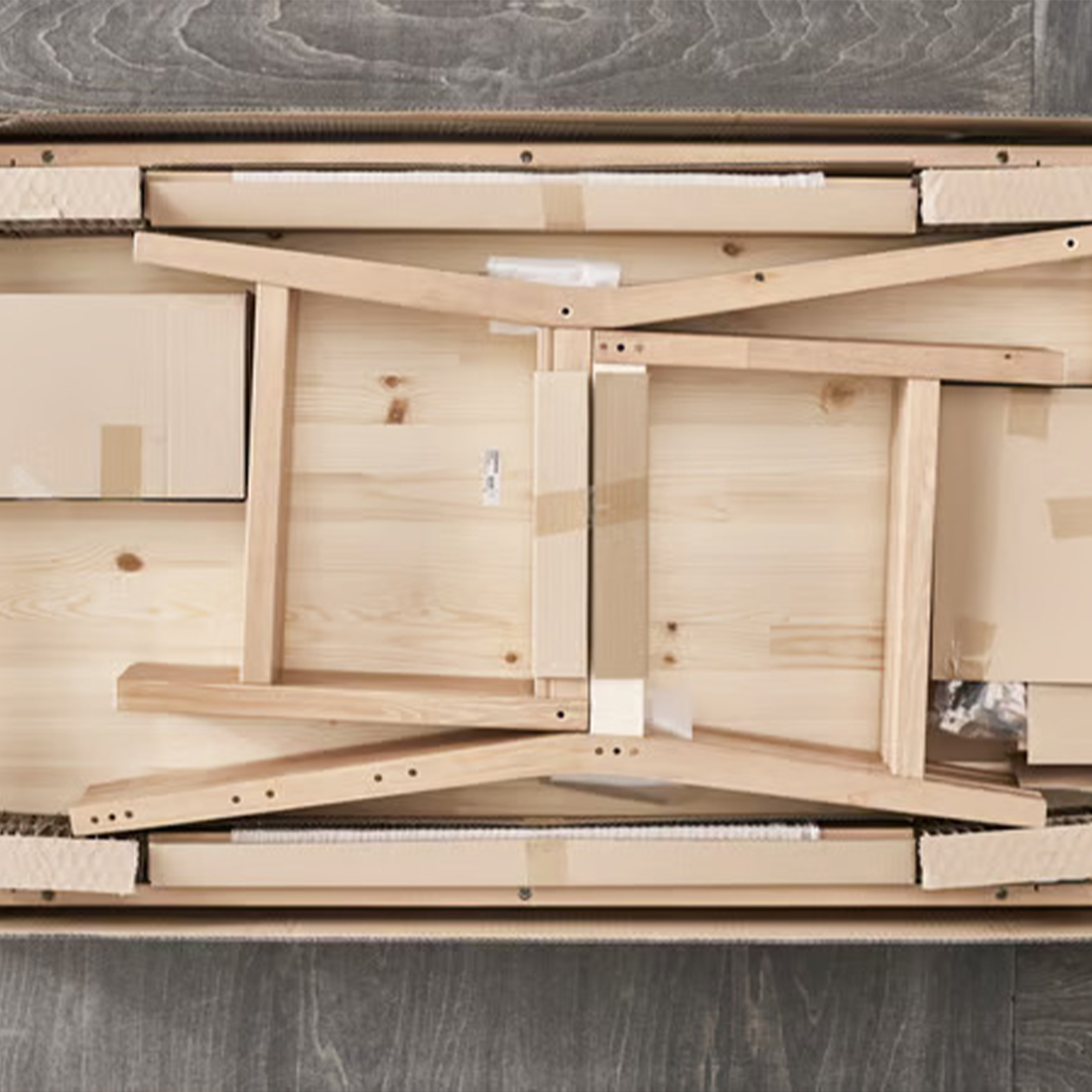
The high costs and high damage rates associated with shipping furniture by mail were a constant concern for Ingvar. Although flat-pack furniture already existed, it had not yet taken off in Sweden. In 1953, IKEA introduced the flat-pack. The self-assembly products proved to be popular and the solution to those costly shipping problems.
Democratic Design
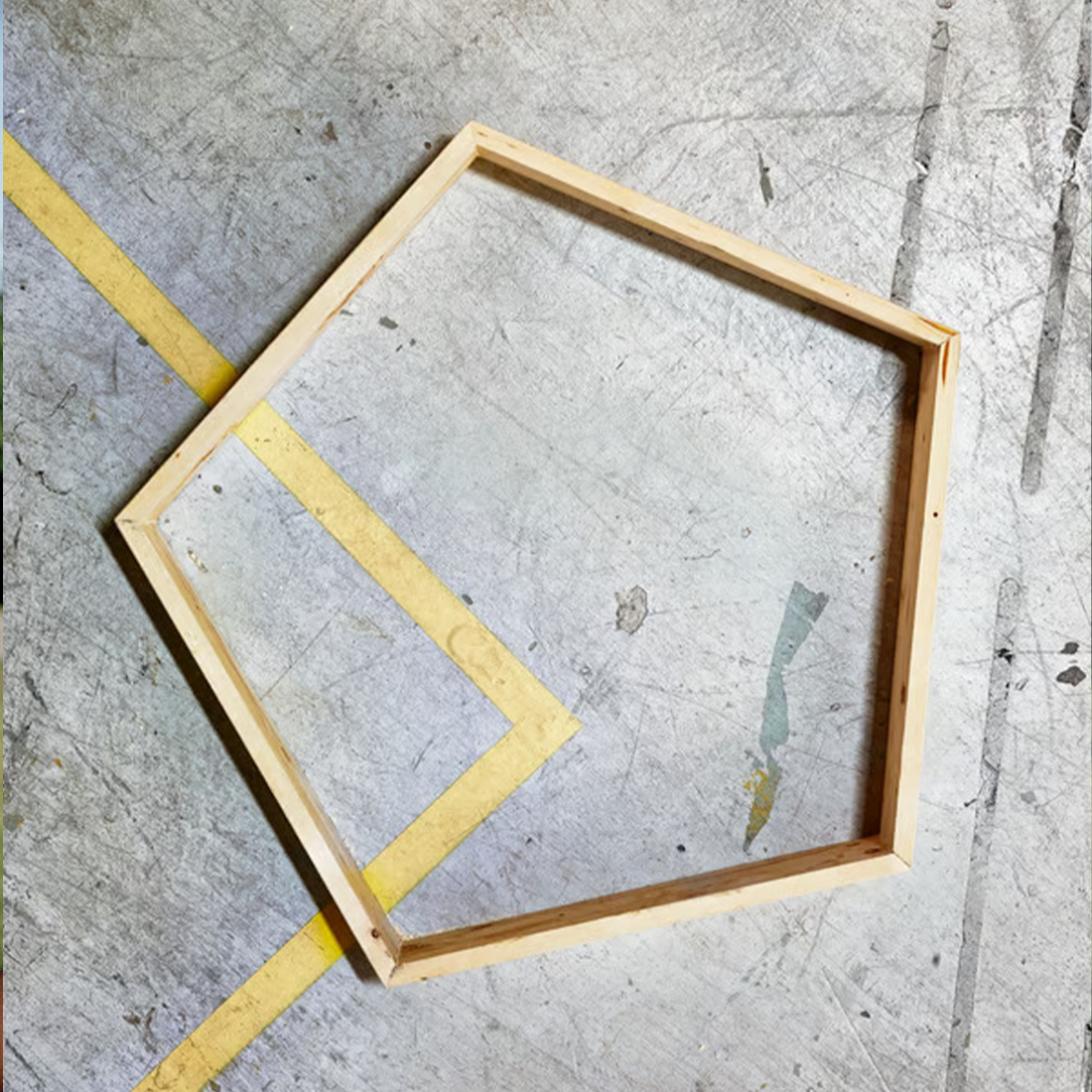
The desire to offer high-quality products at low prices has always been a driving force behind IKEA. However, in addition to price and quality, there are three other dimensions that are taken into account when developing IKEA products: function, form, and sustainability. When these five dimensions are in harmony, we consider the product design to be democratic. The concept of democratic design was officially introduced at the Milan Furniture Fair in 1995 and, since then, has been the tool we use to develop and evaluate products.
Well-fed customers are satisfied customers
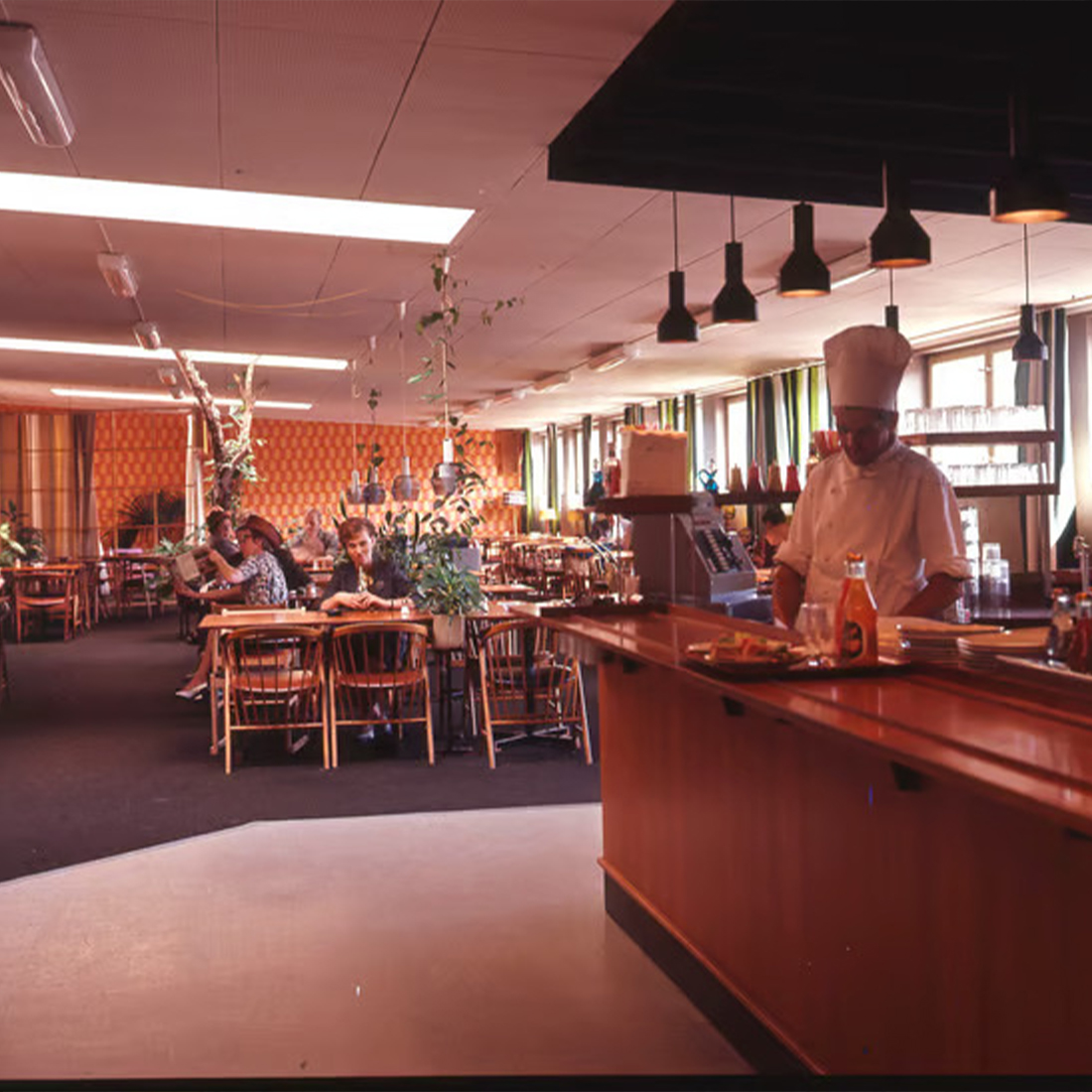
In June 1960, IKEA stores offered only coffee and cold dishes. By the end of that same year, the IKEA restaurant kitchen was fully equipped, including a microwave oven (a novelty at the time). The menu expanded to include a wide range of options, from hot snacks like hamburgers to à la carte dishes. The idea came to Ingvar after he noticed something: customers would leave his store in Älmhult at lunchtime and head to a restaurant or a street food stand. This interrupted the entire shopping process. He also realized that when customers were hungry, they bought less. As we often say, it’s hard to do business on an empty stomach.
IKEA Expands and Restructures
-
1950–1959: IKEA expanded its operations in Sweden.
-
1960–1969: Stores opened in Denmark and Norway.
-
1970s: Expansion continued in countries outside Scandinavia, such as Australia, Austria, Canada, Germany, Hong Kong, Japan, Kuwait, the Netherlands, Singapore, and Switzerland.
-
Early 1980s: Ingvar Kamprad sought an ownership structure that would guarantee total independence and a long-term business perspective. He described this as an attempt to give the IKEA brand “eternal life.” His solution was to separate ownership of the retail operations from the IKEA concept and the IKEA brand, keeping these functions separate in independent business divisions operating under a franchise system.
Why is IKEA called that?
IKEA is named after the initials of its founder, Ingvar Kamprad, Elmtaryd—the farm where he grew up—and Agunnaryd, the nearby village.
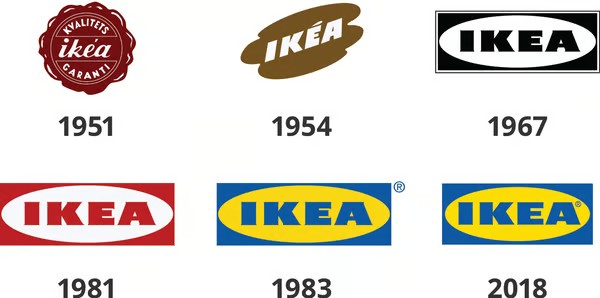
Prior to the most recent update in 2018, the logo had not been updated since the 1980s. The latest changes were intended to improve readability and ensure consistent color recognition and reproduction in the digital age. Today, the same logo must work just as well on a mobile screen as it does on a storefront or paper bag.
The Iconic IKEA Catalog
In 1950, IKEA’s first annual catalog of home furnishings and household goods was published in Sweden. It remained the flagship of IKEA’s marketing materials until 2021, when the last print edition was published.
IKEA's vision and values

Work with us

About IKEA